Reprogramming immunity: A new way to fight eye cancer
Dr Joaquin Caro-Astorga and his team are developing a new type of immunotherapy to treat uveal melanoma, a rare but aggressive eye cancer. By training the immune system to recognise cancer cells, the aim of this project is to establish more precise, non-invasive treatment that preserves vision and lowers the risk of harmful side effects.
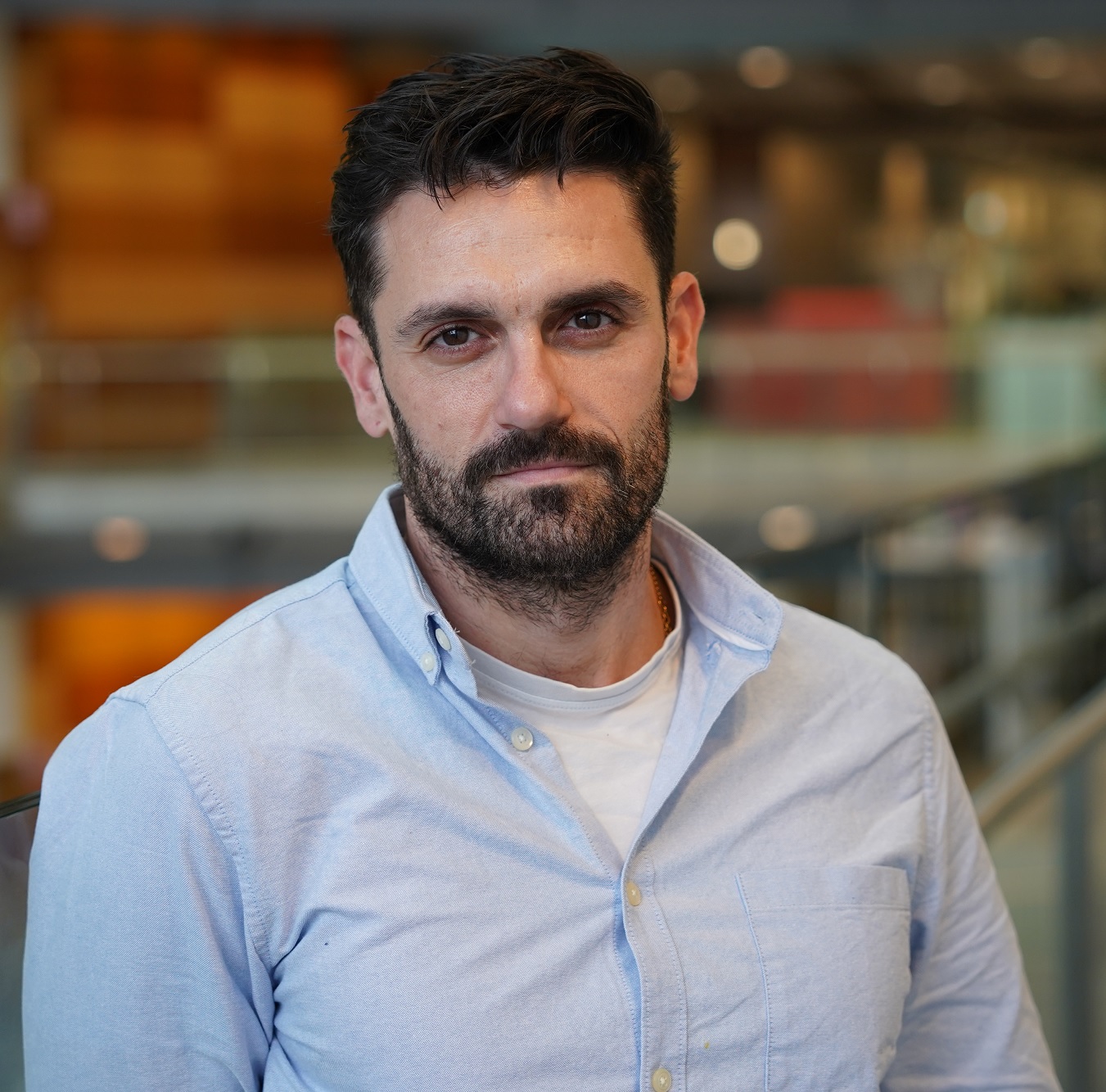
Dr Joaquin Caro-Astorga
Role: Lecturer in Biomedical and Pharmaceutical Sciences
Institution: London South Bank University
Project name: Combat Eye Cancer
Project type: Seed Award
Project status: Ongoing
Uveal melanoma is the most common form of eye cancer in adults, affecting hundreds of people in the UK each year. While rare, it is highly aggressive, and in around half of cases can spread to other parts of the body. Once this happens, treatment options are very limited. Current treatments, including radiotherapy or surgical removal of the eye, can save lives, but often come at a significant risk, including permanent vision loss and long-term physical and mental impact.
In addition, many current cancer therapies are not effective for uveal melanoma, indicating the urgent need for new approaches. Current treatments, including radiotherapy or surgical removal of the eye, can save lives but often come at a significant risk, including permanent vision loss and long-term physical and mental impact. Many current cancer therapies are not effective for uveal melanoma, indicating the urgent need for new approaches. With funding from Sight Research UK, Dr Caro-Astorga and his team are developing a novel vaccine-based immunotherapy designed to help the body’s immune system recognise and destroy cancer cells. Dr Caro-Astorga says:
“I hope to contribute to the development of a precise immunotherapy that can stimulate effective anti-tumour immunity while preserving healthy tissue and vision.”
If successful, this research could lead to a new generation of treatments that are more targeted, less invasive and better tolerated by patients. In turn, this could reduce the need for aggressive treatments such as eye removal and help preserve both vision and quality of life. In the longer term, this approach could open the door to preventative treatments and more personalised care, offering hope to patients affected by this devastating disease Dr Caro-Astorga adds:
“Our aim is to develop a treatment that not only targets cancer more effectively, but does so in a way that protects patients’ sight and overall wellbeing.”