
Heather is in the early stages of age-related macular degeneration (AMD). One year ago, her ophthalmologist spotted drusen (yellow- or white-coloured spots that appear in the retina) and gave Heather the diagnosis.
“I thought nothing about [it] until I noticed a change in my vision about a year later… Oh dear, what a surprise.”
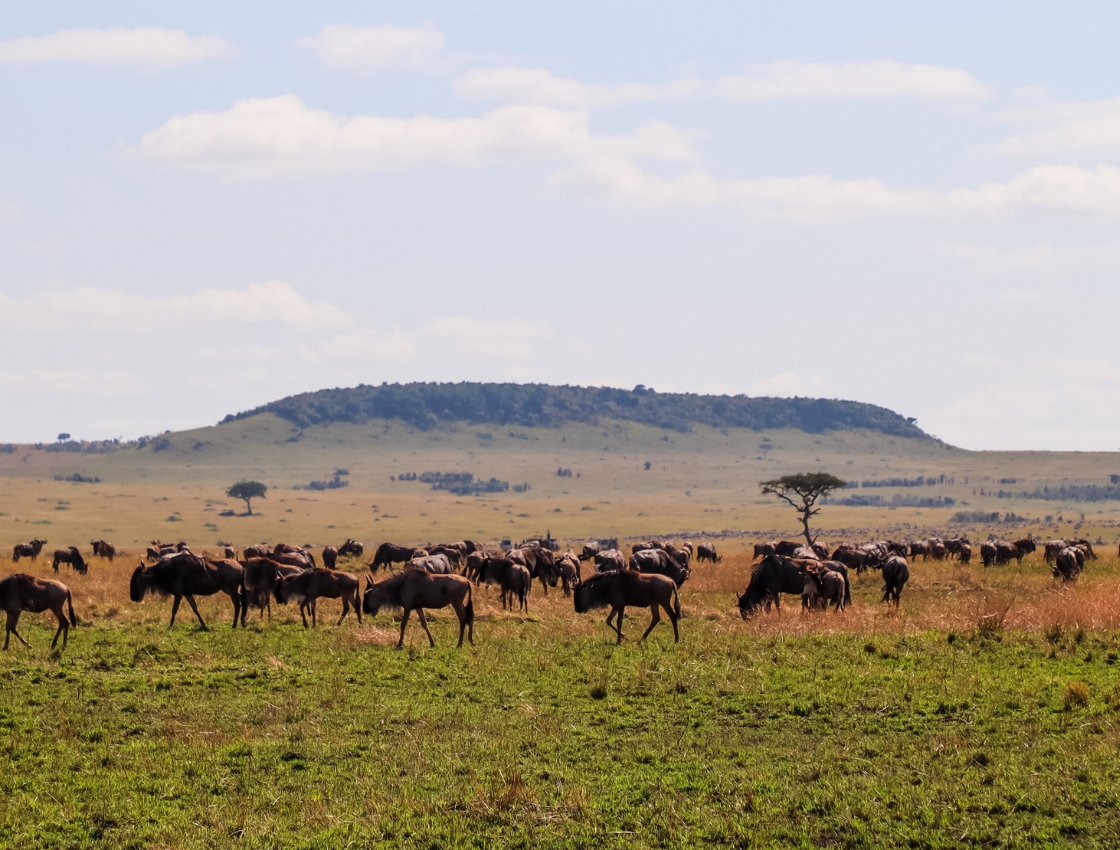
Now, she wears anti-glare goggles over her driving glasses to mitigate the brightness of cars’ LED headlights. She also sits much closer to her computer screen so she can continue her investigative research to understand more about AMD. Heather suspects that exposure to strong UV light throughout her life may have been the cause of her unexpected eye condition. She and her four siblings grew up in Kenya, where their father worked.
“I had 4 years of bright sunlight in my formative years until we moved to England with my mother.”
While her siblings stayed in overcast England, Heather returned to Kenya at the age of 21. There she stayed for 5 years before spending two decades working in South Africa. She suspects that those years of intense sunlight led to her AMD diagnosis, as she’s not aware of any genetic history.
“No one in my family, as far as I know, ever had or has AMD. So, I think it is odd that I do.”
Heather hasn’t yet had any treatment but is investigating ways that she might manage her symptoms until all possible avenues have been discussed with her doctor.
“I am only having some blurred vision in one eye.”
Heather is wisely taking all the steps available to her to manage her early-stage AMD at home, inspired by the lifestyle lessons of populations living in ‘Blue Zones’, which are specific geographic regions where people live exceptionally long lives (100+ years of age).
“I am a great believer of proven lifestyle methods to maintain as good a health profile as possible.”
One such change is her diet, self-described as the ‘Macula Diet’. Embracing vision-boosting, nutritious wholefoods, such as green leafy vegetables and fruits high in antioxidants, Heather hopes to reduce the advancement of her eye condition. She also recommends aiming to reduce cholesterol, saying,
“Eat proper nutrients; increase nutrients that feed the choroid, for the choroid feeds the macula.”
The choroid provides oxygen and nutrients to the outer retina, particularly photoreceptors.
In addition to eating more organic produce, Heather is ensuring that she gets plenty of sleep – going to bed early and then rising early, referring to exposure to natural light during the less harsh hours of the day.

“The quality of light can be healthy for the eyes, for the whole body.”
Studies suggest that around 10 to 15 percent of people with dry AMD go on to develop wet AMD, but Heather chooses to adopt a steadfastly positive mindset towards her vision.
“Don’t give up. There is a lot we can do in our young and old age. [I do] not allow myself to dwell on the prospects of the next 7th, 8th, 9th, even 10th decades of living without proper vision.”
Finally, Heather advocates for the importance of sight research to enable a joy-filled and action-packed life.
“I am grateful for proper research into anything worthy of preventing challenges in health. Eye health is really important [for] maintaining the ability to remain independent into ageing… Vision being one to the top five abilities for a happy, healthy life.”
Meet Heather
Heather’s story follows her recent diagnosis of early-AMD and the lifestyle changes she has made to mitigate its effects.