World Sight Day

World Sight Day takes place on Thursday 8 October 2026, bringing people from around the world together to raise awareness of eye health and the importance of protecting sight.
This World Sight Day, we’re joining the global #LoveYourEyes campaign to encourage everyone, everywhere to prioritise their eye health.
At Sight Research UK, we know just how important sight is. For 40 years, we’ve been funding pioneering research into the causes, prevention and treatment of eye disease – helping to create a future where everyone can see clearly.
How to look after your eyes this World Sight Day
Our eyes play an important part in almost everything we do, but it can be easy to take our eye health for granted. This World Sight Day, take a moment to #LoveYourEyes with a few simple steps:
- Have regular eye tests: Eye tests don’t just allow you to know whether you need glasses. They can also help detect signs of some eye conditions, sometimes before you notice any changes to your actual vision.
- Give your eyes a break: If have a lot of screen time due to work or othwewise, remember the 20-20-20 rule: every 20 minutes, look at something around 20 feet away for at least 20 seconds.
- Protect your eyes from the sun: UV rays can damage your eyes, so choose sunglasses that provide good UV protection and never look directly at the sun.
- Eat well: A healthy, balanced diet containing plenty of fruit and vegetables can provide important nutrients that help support your vision. Check out our A–Z guide to the best foods for eye health to find out more about the best food to support your vision.
- Know what’s normal for you: Pay attention to changes in your vision. If you notice something new or unusual, speak to an optometrist or another eye care professional.
- Know your family history: Some eye conditions can run in families. Knowing your family eye-health history can help you understand whether you may be at increased risk.
About eye tests
Regular eye tests are an important part of looking after your eye health.
An eye test doesn’t just check how well you can see or whether you need glasses. Your optometrist will also examine the health of your eyes and may be able to spot signs of certain eye conditions before you notice any symptoms yourself.
For most people, it’s recommended to have an eye test at least every two years, although your optometrist may advise you to have them more regularly depending on your individual needs.
In the UK, some people are also eligible for free NHS-funded eye tests, including children, people over a certain age and those with particular medical conditions or circumstances.

Find out more about eye tests here:
Know the signs
Changes to your vision can happen for many different reasons, but it’s important not to ignore something that feels unusual.
Some changes to look out for include:
- Blurred, cloudy or distorted vision
- Difficulty seeing in low light
- New flashes or floaters
- Changes to your peripheral (side) vision
- Eye pain or discomfort
- Increased sensitivity to light
- Difficulty reading or recognising faces
- A sudden change or loss of vision
If you notice a change in your eyesight, speak to an optometrist or another eye care professional. Sudden changes or loss of vision may require urgent medical attention.
Understanding eye conditions
Eye conditions can affect anyone, at any stage of life.
Some develop gradually over time, while others can cause changes to our sight much more suddenly.
Learning more about different eye conditions including their symptoms, causes and treatments – can help us better understand our eye health and know when to seek advice.
At Sight Research UK, we provide information about a wide range of conditions, including glaucoma, cataracts, diabetic retinopathy, age-related macular degeneration and inherited eye diseases.
Understanding these conditions is vital for research. The more researchers discover about what causes sight loss and how eye diseases develop, the closer we can get to finding new ways to prevent, diagnose and treat them.
Explore eye conditions:
Research is creating a brighter future
Looking after our eye health is important, but not all sight loss can be prevented. That’s why research is so vital.
For 40 years, Sight Research UK has funded pioneering research into the causes, prevention and treatment of eye disease.
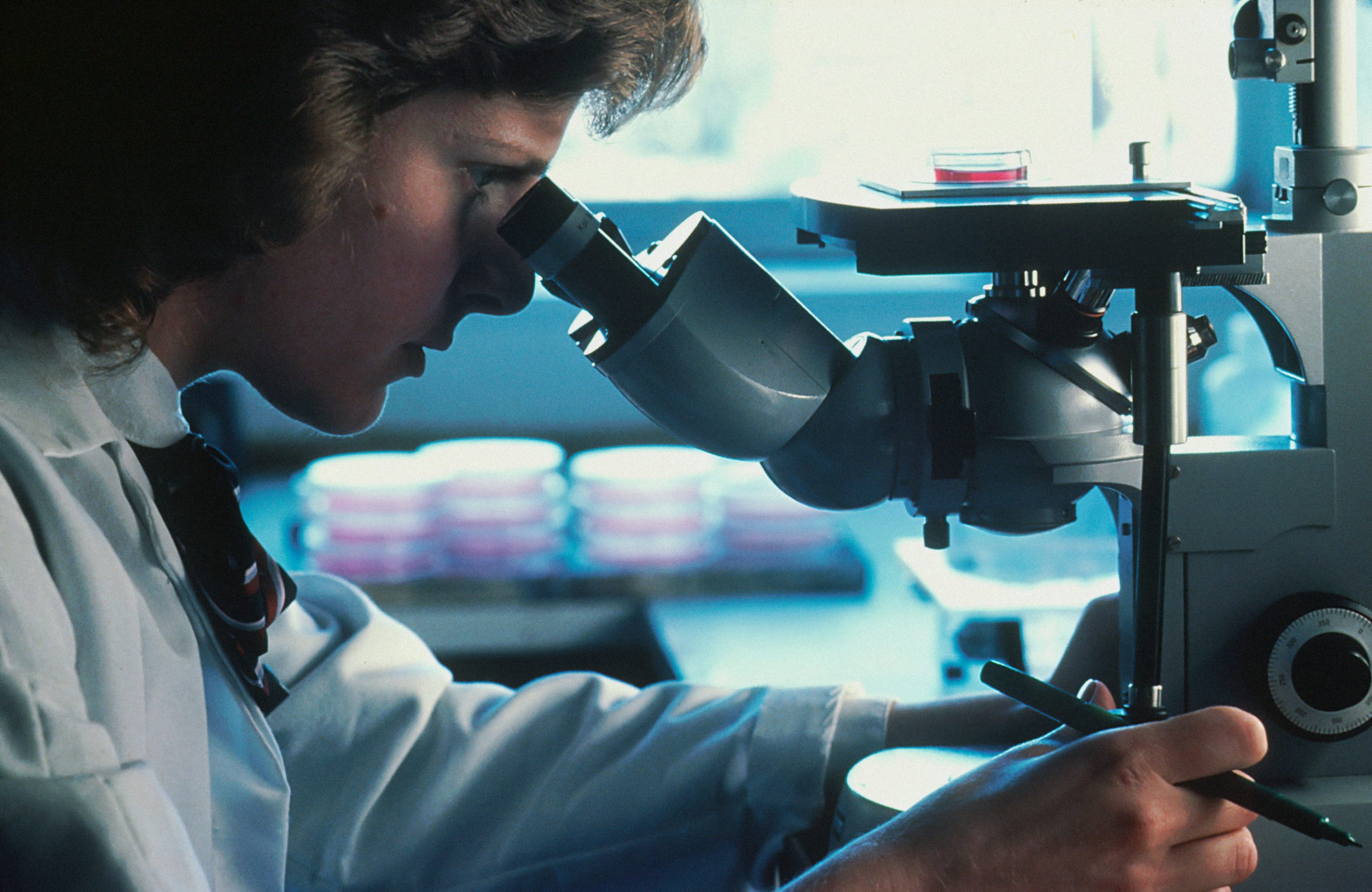
Across the UK, researchers we support are working to understand how eye conditions develop, find new ways to diagnose them earlier and develop treatments that could protect or restore people’s sight.
Every discovery takes us one step closer to a future where fewer people have to experience sight loss.
Discover the research we are funding: