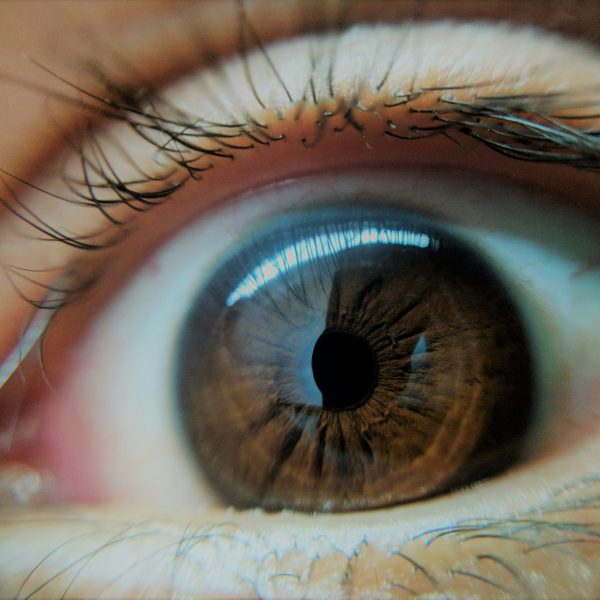
Corneal dystrophies are a group of inherited eye conditions that affect the cornea which is the clear, dome-shaped surface at the front of the eye. Although many corneal dystrophies appear slowly over time, than can impact your eyesight and sometimes cause pain or recurrent damage to the surface of the eye.
There are currently more than 20 types of corneal dystrophy. Some people might have mild symptoms that make very little impact through their whole life, while others may need treatment to keep a reasonable sense of vision. Ongoing research continues to improve our understanding of these conditions and help us further understand how new treatments can slower the progression.
Makes up 2% of severe sight loss
Corneal dystrophy is a major cause of blindness, accounting for 2% of extreme visual impairment in the UK. Corneal diseases are categorised based on one of 4 layers of the cornea they affect. There are many diseases that can occur within each layer, including Fuchs’ Endothelial Corneal Dystrophy 1.
What is the cornea?
The cornea is the transparent front layer of the eye. It very much works as a window, letting light enter the eye while also helping to focus that light onto the retina.
Because the cornea contains zero blood vessels, it needs the surrounding tissues and tears for nutrients and healing.
Causes of corneal disease
The cornea is the clear tissue at the front of the eye that lets in light and helps focus it on the retina so that we can see.
It protects your eyes from dirt, germs, and other particles, it filters and screens out some of the sun’s damaging ultraviolet (UV) waves and contributes between 65-75% of your eye’s focusing power.
Disease or injury can damage the cornea, making it cloudy or distorted in shape, causing loss of vision. Common causes of damage to the cornea include:
- Infections, such as corneal ulcers that scar the corneal tissue.
- Keratoconus 2 in young people, where the usually round cornea begins to bulge into a cone shape.
- Scarring caused by herpes, the cold sore virus.
- Age or inherited conditions may lead to cloudiness of the cornea in older people.
Treatment for corneal disease
Treatment depends on the type of corneal dystrophy and the symptoms experienced.
For mild disease, treatment may include:
- Lubricating eye drops or ointments
- Hypertonic saline drops to reduce corneal swelling
- Pain relief during episodes of recurrent corneal erosion
For more advanced disease, treatment options may include:
- Therapeutic contact lenses
- Laser treatment to improve the corneal surface in selected patients
- Corneal transplantation (keratoplasty), where damaged corneal tissue is replaced with healthy donor tissue
- Modern partial-thickness corneal transplant techniques, which can replace only the affected layers of the cornea in suitable patients
How to donate your corneas
There is a shortage of donated corneas in the UK. Many more people could have the chance to benefit from sight-saving surgery if more corneas were donated.
People of all ages can donate their corneas after they die, and about 65% of cornea-only donors are over 60 years old. Many more people could be cornea donors than organ donors because, unlike solid organs, corneas can be donated up to 24 hours after death. You do not have to die in hospital to donate your corneas, but the retrieval service is usually provided by major hospitals.
To register with the NHS Organ donor register, join online here or call 0300 123 23 23 (open 24 hours 7 days a week).
Find out how Assistive Technology helps to manage tasks made difficult by low vision and blindness.
Saving sight through pioneering research
Resources
- Fuchs Dystrophy. Sight Research UK. 2025.
- Keratoconus. Sight Research UK. 2025.
- Corneal dystrophies. RNIB. 2026.
- Corneal Regeneration Using Gene Therapy Approaches. National Library of Medicine. 2023.