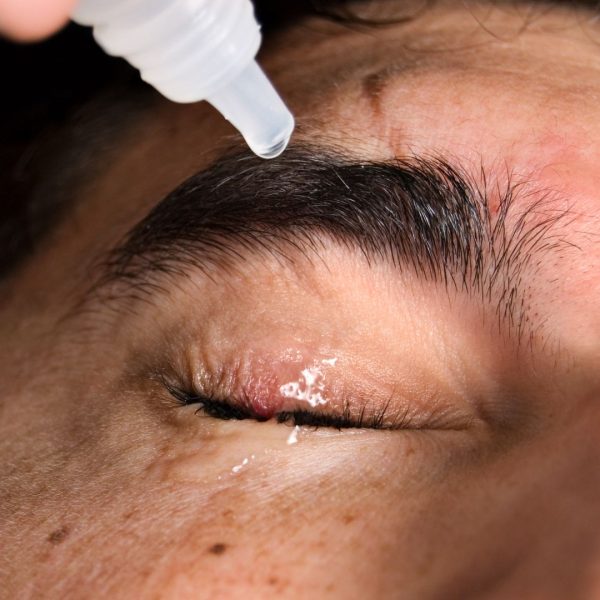
Microbial keratitis is an infection of the cornea, the clear window at the front of your eye. It can cause a painful, red eye and blurred vision. Some infections leave a scar on the cornea, which can permanently affect your sight, even after the infection has cleared1.
Fungal keratitis is a type of microbial keratitis caused by fungi. Different germs need different treatments, so finding out what is causing the infection is a fundamental step towards protecting your vision2.
Over a million fungal infections worldwide
A systematic review published in 2021 estimated that fungal keratitis affects more than one million people worldwide each year, with the highest rates in Asia and Africa. This is an estimate, rather than a count of diagnosed cases. The condition is particularly common in tropical and subtropical regions, where it often affects agricultural workers following an eye injury3.
Different types of corneal infection
Corneal infections are named after the type of germ causing them. The main groups include:
- Bacterial keratitis: caused by bacteria. This is the usual cause of microbial keratitis in UK practice and is often associated with wearing contact lenses2.
- Fungal keratitis: caused by fungi, including moulds such as Aspergillus and Fusarium, and yeasts such as Candida. It may follow an injury involving plant material or occur in an eye with an already damaged surface4.
- Acanthamoeba keratitis: caused by a microscopic amoeba found in water and soil. It is particularly associated with contact lens wear and exposure to water, including showering or swimming in lenses5.
- Viral keratitis: can be caused by the herpes simplex virus, which also causes cold sores. The virus can remain in the body and reactivate, so infections may return6.
Causes of microbial keratitis
Damage to the protective surface of the cornea can make it easier for germs to cause an infection. Factors that increase the risk include7:
- Contact lens wearing: especially sleeping in lenses, wearing them for longer than recommended, or not cleaning and storing them correctly8.
- Water exposure while wearing lenses: including swimming, showering, or rinsing lenses in tap water. This is a particular risk for Acanthamoeba infection5.
- Eye injuries: a scratch from a thorn, branch or other plant material can introduce fungi into the cornea4.
- Existing eye problems: dry eye, poor eyelid closure, previous eye surgery or other damage to the eye surface can increase susceptibility2.
- Reduced immunity or steroid use: a weakened immune system and corticosteroid medicines can increase the risk of fungal eye infection4.
When to get help urgently
A painful, red eye with blurred vision or sensitivity to light needs urgent assessment. Contact an optometrist or an urgent eye service straight away; do not wait for a routine eye test. If you wear contact lenses, take them out. Keep your lenses and case to show the eye-care team, as they may help identify the infection2.
Symptoms of microbial keratitis
Symptoms often affect one eye and may include2:
- Eye pain and redness.
- Blurred or reduced vision.
- Sensitivity to light.
- Watering or discharge.
- A gritty feeling, as though something is in your eye.
- A white or cloudy spot on the clear front surface of your eye1.
Do not try to identify the type of infection yourself. Fungal and other corneal infections can have similar symptoms, and prompt examination is important. If your eye becomes more painful or red, your vision worsens, or a white spot gets bigger during treatment, seek urgent advice from your eye-care team or attend A&E4,1.
Diagnosis of microbial keratitis
An eye specialist will examine your cornea using a slit lamp, a microscope with a bright light. They may ask about contact lenses, recent eye injuries and your symptoms. In some cases, they will numb your eye with anaesthetic drops and gently collect a small sample from the affected cornea, known as a corneal scrape9,1.
The sample can be examined under a microscope or grown in a laboratory to identify the germ. Fungal infections can be difficult to diagnose, and specialists may also use tests that detect genetic material, such as PCR, or detailed imaging called confocal microscopy4.
Treatment may start before all results are available and can be adjusted when the results return or depending on how your eye responds. Tell your eye-care team if your symptoms are not improving9,1.
Treatments for corneal infections
Current treatments:
Treatment fundamentally depends on the germ causing the infection and how severely your eye is affected:
- Bacterial infections: usually need antibiotic eye drops. Drops may be needed very frequently, including through the night in severe cases1.
- Fungal infections: need antifungal medicines rather than antibiotics alone. Treatment usually involves antifungal eye drops; some people also need tablets or specialist procedures2,7.
- Acanthamoeba infections: need specialist antiseptic eye drops. Treatment can take months and must be closely monitored9.
- Herpes simplex infections: are treated with antiviral medicines, such as eye drops, ointment or tablets. Some people need longer-term treatment to help prevent recurrences6.
Severe infections may require hospital care. If a fungal infection does not respond to medicines, surgery, including a corneal transplant, may be needed. A transplant may also be considered for sight-limiting scarring after some corneal infections2,7,9.
Use your prescribed drops exactly as directed and attend follow-up appointments. Do not restart contact lenses until your eye-care team says it is safe. Steroid eye drops are only suitable in selected circumstances under specialist supervision; they are not a treatment to start yourself for a suspected infection1,9.
Potential treatments and better diagnosis:
Research is exploring ways to improve the treatment of fungal keratitis, including more targeted delivery of antifungal medicines and whether corneal cross-linking could help alongside medication. These approaches need careful evaluation; corneal cross-linking is not an established routine treatment for fungal keratitis7.
A potential new treatment for bacterial keratitis
At Sight Research UK, we have supported Dr Imran Mohammed and his team at Cardiff University to explore a new way of treating bacterial keratitis. Their approach uses synthetic peptides inspired by the eye’s natural infection-fighting defences. The team developed a potential treatment called SMP16, based on a natural defence molecule called human cathelicidin11.
The aim is to tackle bacterial biofilms: protective layers that can make infections harder to treat. In early laboratory studies using a corneal infection model, SMP16 penetrated these biofilms and killed bacteria more effectively than moxifloxacin, a commonly used antibiotic, even at lower concentrations. These are encouraging experimental findings, rather than evidence that the treatment works better in patients.
If further studies confirm these benefits, the approach could mean patients need less medicine or fewer doses. This could make treatment easier to manage at home and potentially reduce the need for a hospital stay. However, further testing in living tissue and clinical trials would be needed to establish its safety and effectiveness in people. SMP16 remains a potential future treatment, not an established option for patients.
Faster diagnosis of fungal keratitis
Better diagnosis is another important route to protecting sight. In a published feasibility study, researchers at the University of Edinburgh and Aravind Eye Hospital in India tested a lateral flow device for identifying Aspergillus in corneal samples. Results from both scrape and swab samples were promising, but this was an early diagnostic study, not proof that a test can detect every fungal infection or improve outcomes in routine care10.
At Sight Research UK, we have supported work to develop a lateral flow test led by Dr Beth Mills that can detect a wider range of fungi. Using a format familiar from COVID-19 tests, the aim is a simple test that could help healthcare professionals choose the right treatment sooner. The project described in our research material includes laboratory testing, clinical evaluation with partners in India and development of a smartphone-based reader. These research approaches should not be presented as home tests or substitutes for urgent clinical assessment.
Prevention of microbial keratitis
You cannot prevent every corneal infection, but good contact lens care and protecting your eyes from injury can reduce your risk8,4.
- Wash and dry your hands thoroughly before touching your lenses8.
- Keep lenses away from water. Take them out before swimming, showering or bathing, and never rinse or store them in tap water8.
- Do not sleep in your lenses. Follow your contact lens practitioner’s advice on wearing time and replacement. Never reuse daily disposable lenses8.
- Care for reusable lenses properly. Use the recommended cleaning and disinfecting solution, keep the case clean and replace it regularly as advised8.
- Do not wear lenses in a red or sore eye. Remove them and seek prompt advice rather than continuing to wear them8.
- Wear suitable protective eyewear when gardening, farming or doing work where plant material could injure your eyes4.
Acting early matters. If you develop pain, redness, light sensitivity or changes to your vision, get urgent eye-care advice. Prompt diagnosis and appropriate treatment offer the best chance of protecting your sight2,3.
This information is a general guide and does not replace advice from your eye-heath professional.
Meet Beth
From patient to researcher, Beth experienced a corneal infection, and after her frustration with clinical care and the road to diagnosis, she decided to do the work herself to find a better treatment for fungal keratitis.

Without research, there are no treatments. And without funding, there is no research.
You can donate today to ensure that our research into aniridia can continue, so that one day, we might have new treatments – or even a cure – for macular degeneration.
References and resources
Medical sources last checked in November 2026. The global figure in the overview is a published estimate from 2021.
- Moorfields Eye Hospital. Microbial keratitis.
- College of Optometrists. Microbial keratitis (bacterial, fungal). Clinical Management Guideline, updated 9 October 2026.
- Brown L, Leck AK, Gichangi M, Burton MJ, Denning DW. The global incidence and diagnosis of fungal keratitis. The Lancet Infectious Diseases. 2021;21:e49–e57.
- US Centers for Disease Control and Prevention. Fungal Eye Infections Basics.
- Moorfields Eye Hospital. Acanthamoeba keratitis.
- NHS. Herpes simplex eye infections.
- Awad R and colleagues. Fungal Keratitis: Diagnosis, Management, and Recent Advances. Clinical Ophthalmology. 2024;18:85–106.
- Moorfields Eye Hospital. Microbial Keratitis: patient information leaflet, including contact lens care advice.
- Oxford University Hospitals. Acanthamoeba Keratitis (AK): information for patients.
- Gunasekaran R and colleagues. Rapid Point-of-Care Identification of Aspergillus Species in Microbial Keratitis. JAMA Ophthalmology. 2023;141:966–973.
- Sight Research UK. Could inpatient care be avoided when treating bacterial keratitis?