At Sight Research UK, we are proud to support pioneering research that could change how diabetic eye disease is detected and managed across the UK. And it involves merging diabetic eye care with AI.
Why this matters
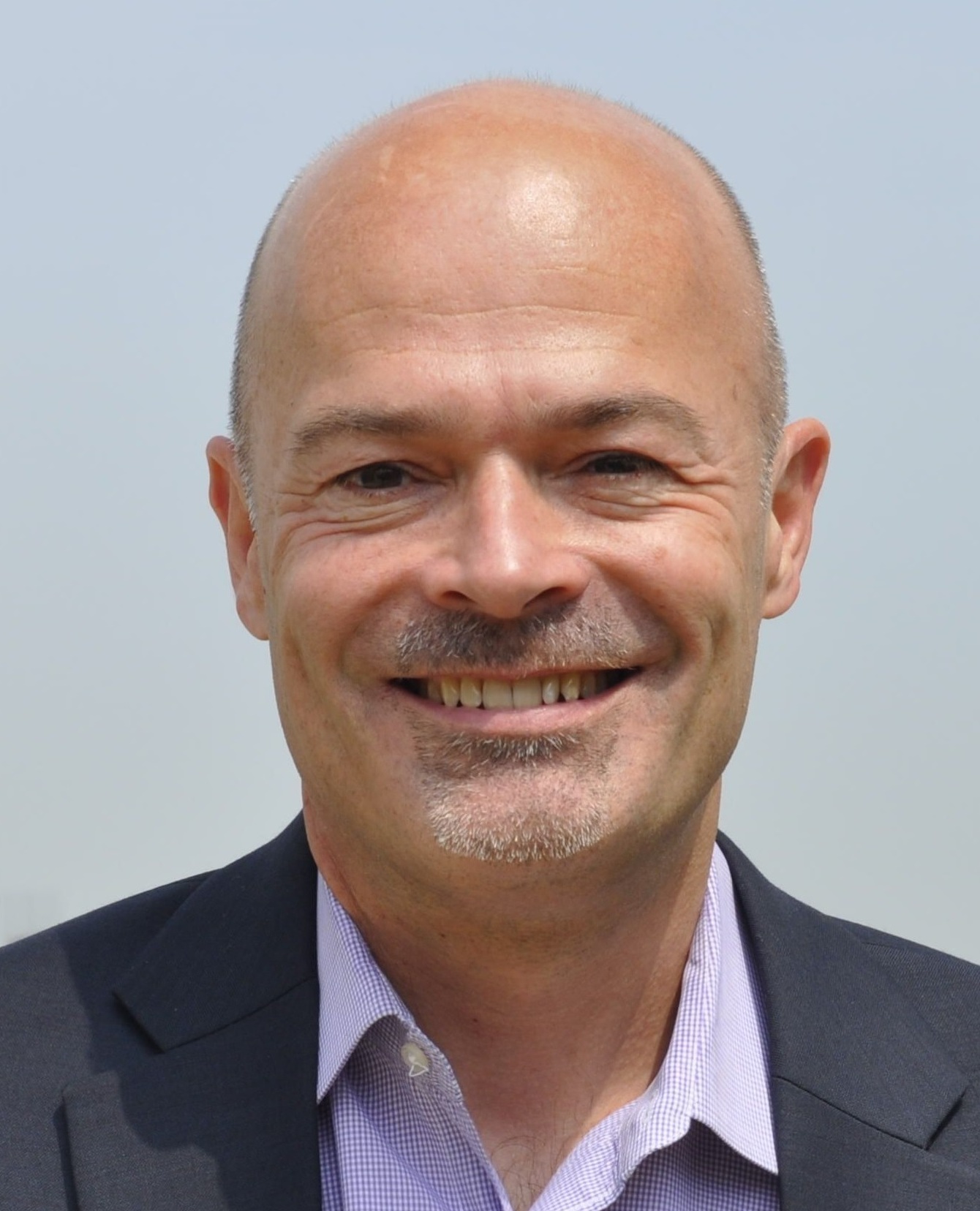
Diabetic retinopathy is a leading cause of vision loss, yet it is often treatable if caught early. As Professor Timothy Jackson explains:
“The practical and emotional impact of losing your sight from diabetes is catastrophic – but it can be treated if it’s detected early.”
In the UK, over 3 million people with diabetes have their eyes screened every year as part of the The NHS Diabetic Eye Screening Programme (DES). While this programme is vital, it currently focuses on detecting disease as it happens – not predicting who will develop serious problems in the future.
What our funded research is doing
Through our funding, researchers are developing artificial intelligence (AI) that can analyse routine eye photographs and predict a person’s future risk of developing sight-threatening diabetic eye disease.
Instead of only answering: “Do you have eye disease now?”, this technology helps answer: “How likely are you to develop serious eye disease in the next few years?”
How diabetic eye care with AI works
The system uses:
- Eye images taken during standard NHS screening
- Basic information such as age, ethnicity and diabetes history
By combining these, the AI can estimate who is at higher or lower risk of developing serious eye disease.
Why this could improve care
This research could make screening more personalised and effective by:
- Identifying high-risk patients earlier, so they can receive faster treatment
- Reducing unnecessary appointments for low-risk patients
- Helping the NHS use its resources more efficiently
For example:
- Low-risk patients could safely be seen less often
- High-risk patients could be monitored more closely
A major step forward: the UK trial
This Translational Award project is now moving into an important next phase — the first large-scale UK trial of its kind.
- Over 50,000 people will take part
- The AI will run in the background without affecting current care
- Researchers will compare outcomes to see how well the system performs
This careful approach ensures the technology is safe, accurate and beneficial before being introduced into everyday healthcare.
The potential impact
If successful, this research could:
- Prevent avoidable sight loss
- Detect serious disease earlier
- Reduce pressure on NHS services
- Improve fairness across different communities
It could also pave the way for national adoption within NHS screening programmes.
As Professor Jackson highlights:
“If we can show that this technology works, there’s a high probability that any adoption could proceed at a national scale, because it occurs within the NHS infrastructure.”
Our role:
Sight Research UK is proud to fund this work through our Translational Research Award, helping bring innovative science closer to real-world impact.
This is exactly what your support makes possible – turning cutting-edge research into practical solutions that protect people’s sight.
Thank you
With your support, we are helping to build a future where fewer people lose their sight to preventable conditions.