
Can AI predict which diabetes patients will develop sight problems?
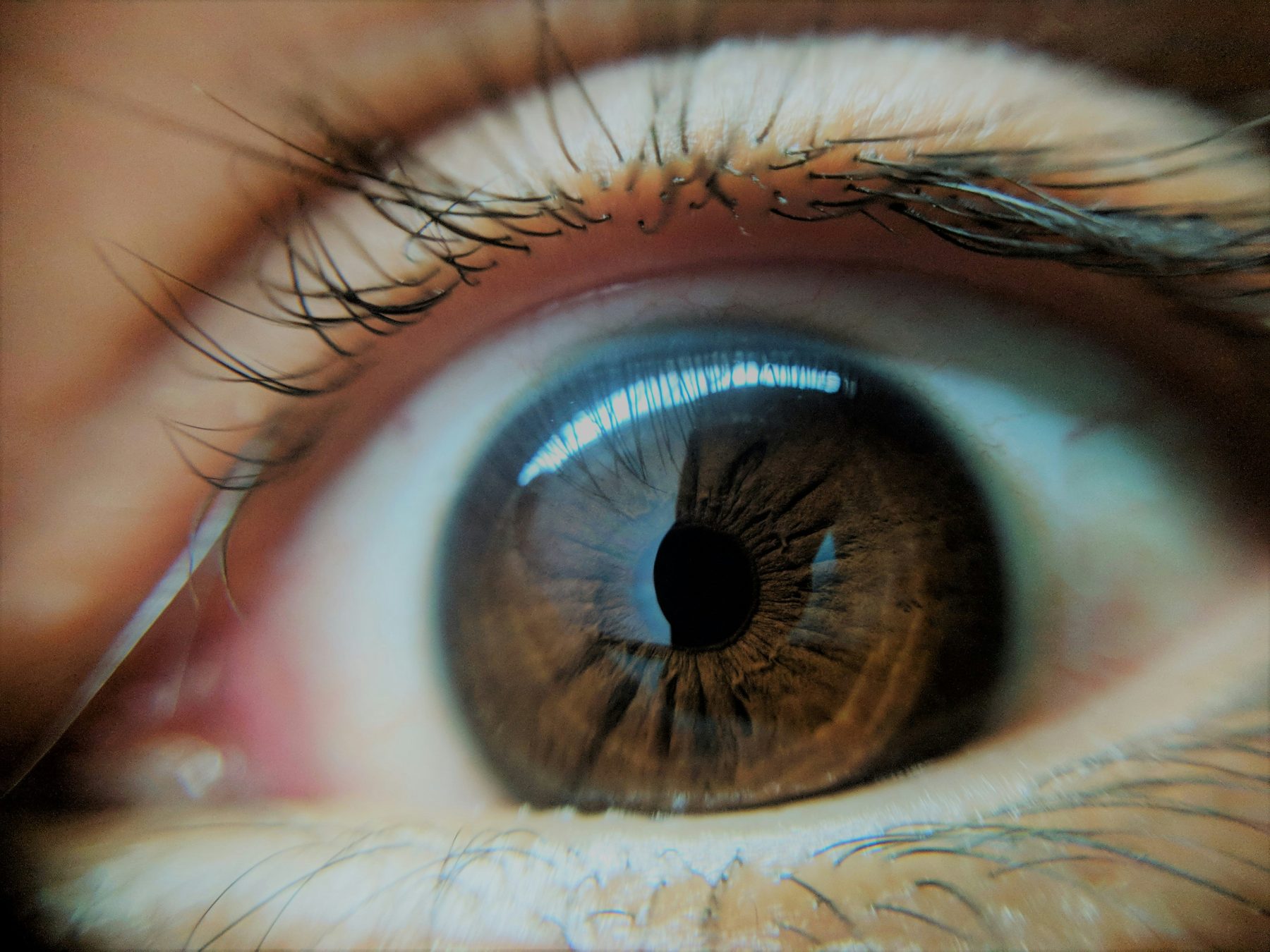
Professor Tim Jackson and his research team specialise in using artificial intelligence (AI) to analyse retinal images. This kind of technology is able to detect subtle changes in the eye and predict which patients with diabetes are most at risk of developing sight problems.
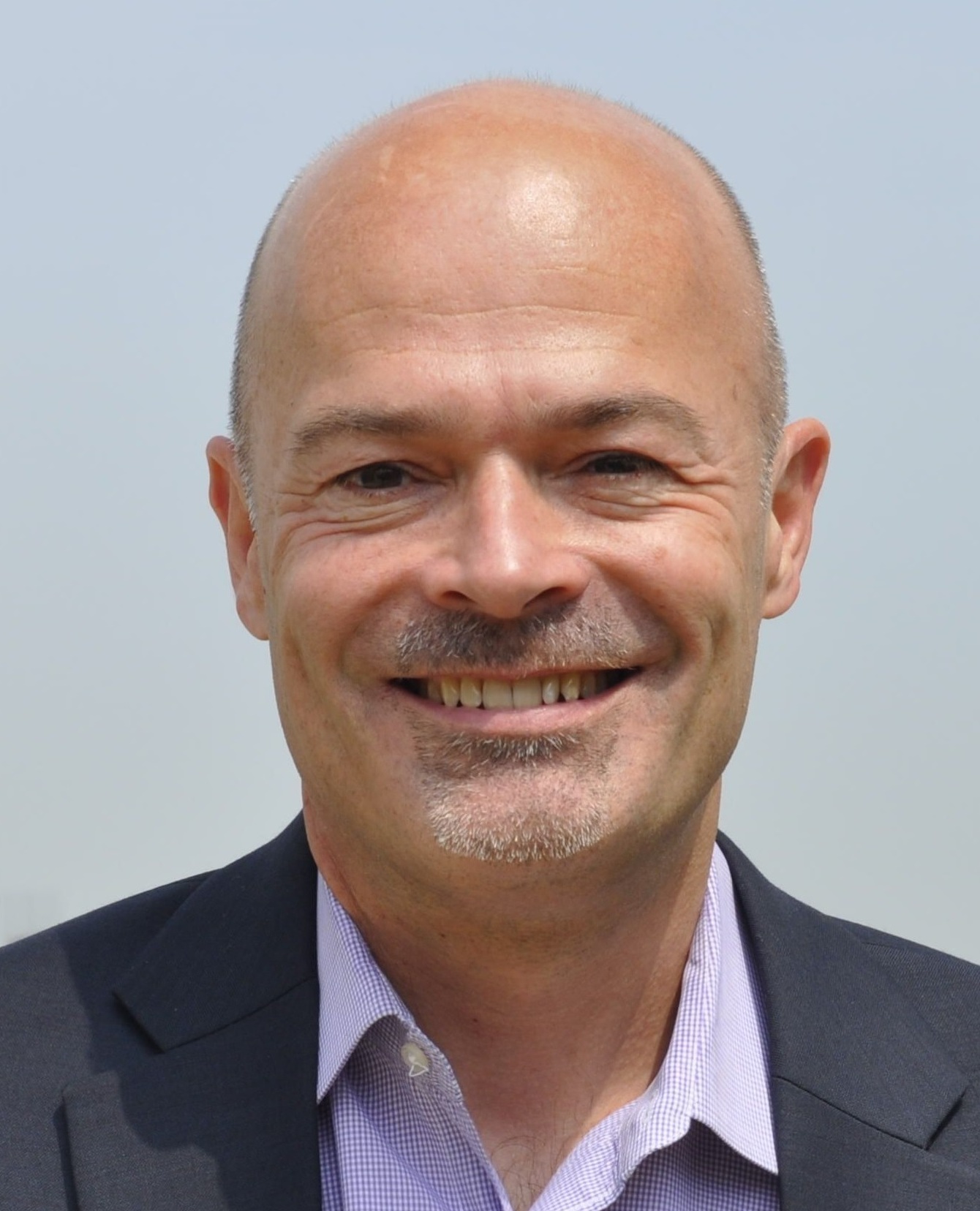
Professor Tim Jackson
Role: Professor of Retinal Research
Institution: King’s College London
Project name: AI prediction of diabetic retinopathy risk
Project type: Clinical study
Project status: Ongoing
Professor Tim Jackson and his team of researchers have previously worked with large datasets of retinal images collected through national screening programmes. By analysing these images, they have been able to recognise patterns linked to the development of diabetic retinopathy.
As the number of people living with diabetes increases, the pressure on screening services also increases. The researchers wanted to explore whether AI could help predict which patients are most at risk, allowing earlier intervention and more personalised care.
By using AI, the team is able to make predictions about patients’ future risk of developing diabetic eye disease. These diabetes patients are then followed over time to monitor how accurate the predictions are in a real setting, early findings suggest that AI can successfully identify patients at a higher risk. Although, further research is required to understand how accurate these predictions are over longer periods and how they can be used safely in clinical practice. Professor Tim Jackson says:
“The practical and emotional impact of losing your sight from diabetes is catastrophic but it can be treated if it’s detected early.”
With further funding, the team hopes to expand the study and test the approach in a larger group of patients, with the aim of moving towards a full-scale clinical trial. With 1 in 10 adults in the UK expected to be living with diabetes by 2030, this could lead to millions of patients being treated more quickly and cost-effectively, and fewer distressing cases of diabetes-related sight loss.
If successful, this approach could truly change how diabetic eye screening is delivered. By identifying those most at risk, healthcare providers can prioritise care, reduce unnecessary appointments, and most importantly prevent avoidable sight loss. He follows:
“Getting research findings adopted is very difficult. However, if we can show that this technology works, there’s a high probability that any adoption could proceed at a national scale, because it occurs within the NHS infrastructure.”
Project progress:
Prognostic AI for diabetic retinopathy: Towards the first prospective trial in the UK in EyeNews.